
Learning Letters for 5 Year Olds: Calm, Simple Ideas for Home
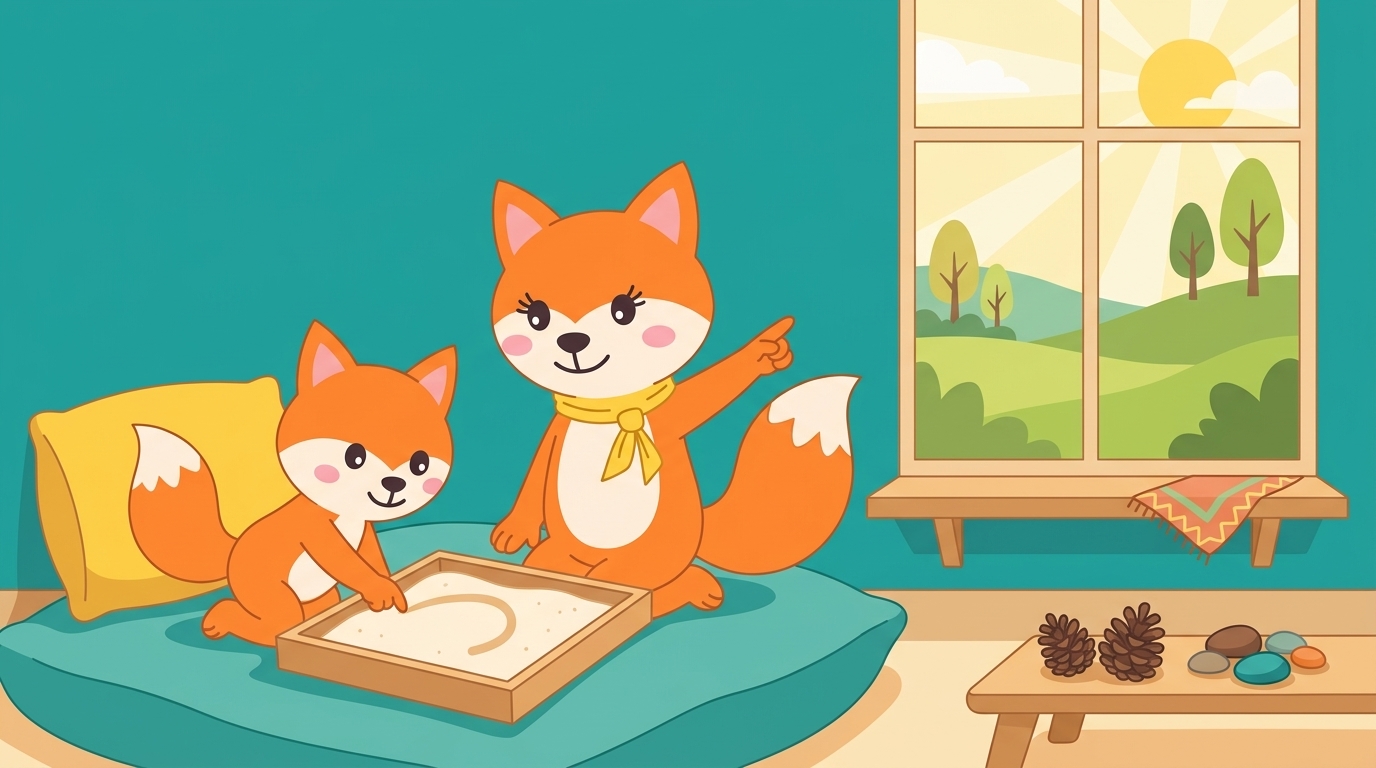
Keep it short, playful and hands-on. Pick a few letters at a time, starting with the ones in your child's name. Say the letter's name and sound, trace it in the air or in sand, then spot it around the house. Five to ten minutes a day is plenty.
Five is a fun age for letters. Many kids are curious about print on cereal boxes, street signs and birthday cards. You don't need flashcard drills or a fancy program. A little time, a few crayons and some patience go a long way.
Where should we start with letters?
Start with what matters to your child.
- Their own name. Write it large on paper and point out each letter. Most kids care about this word more than any other.
- Family names. Mom, Dad, the dog's name, a best friend.
- Favorite things. If they love trucks, T is a good place to begin.
You don't have to go in A-to-Z order. Three or four letters at a time is a comfortable amount. Come back to them often before adding more.
What are fun ways to practice letters at home?
Keep it playful. Here are a few ideas that take almost no prep:
- Letter hunt. Pick one letter and look for it on the grocery list, a cereal box or a street sign. Count how many you find.
- Sand, salt or shaving cream. Spread a thin layer on a baking sheet. Let your child draw letters with a finger.
- Play dough snakes. Roll and bend the dough into letter shapes.
- Sidewalk chalk. Big letters outside let the whole arm move. Hop from one letter to the next.
- Bath-time letters. Use foam letters or a wet finger on the tub wall.
- Alphabet snack. Line up pretzel sticks or crackers to make a letter, then eat it.
If your child loses interest, stop and try again tomorrow. A happy two minutes beats a grumpy twenty.
How can tracing and writing feel easier?
Holding a crayon or pencil takes practice. These small habits can help:
- Sit at a table where feet can rest on the floor or a stool.
- Offer chunky crayons or short pencils.
- Start with big shapes: circles, lines, zigzags and waves.
- Trace in the air with a whole arm before using paper.
- Say the steps out loud, like "down, then around."
Praise the effort, not just the result. A wobbly B that your child is proud of is a good B.
How do we connect letters to sounds and words?
Letter names and letter sounds are different, and it helps to say both. Try, "This is the letter B. It says /b/, like ball."
Then play with first sounds in everyday moments:
- "What starts with /s/? Sock! Sun! Spoon!"
- "I spy something that starts with /m/."
- Say a word and let your child give you a silly one that starts the same way.
You can do this in the car, in line at the store or while making dinner. No materials needed.
Where does a coloring book fit in?
Coloring is a gentle way to sit with one letter for a while. If you'd like a ready-made routine, Color & Learn with Kiko: A to Z Adventure! gives each of its 26 single-sided letter pages one big, simple picture. Every page also has a first word, letter tracing, counting, color words and a question for you to ask. Kiko the Little Fox meets a new friend for every letter, so each page feels like a small story.
The pages practise letter recognition and tracing, first words, counting from 1 to 8, color words and fine-motor control. They also give you something to talk about together. Do one page at a time, and let your child choose the colors.
What can we do when letters get tricky?
Some letters are simply harder. Many kids mix up b and d, or write a letter backward now and then. Here are a few calm ways to respond:
- Skip the correction in the moment. Show the letter again later in a relaxed way.
- Give a simple hook, like "b has a belly on the right, like a bat and ball."
- Go back to an easier, bigger activity for a day or two.
- Take a break if there are tears. Letters will still be there tomorrow.
Every child moves at their own pace. If you have questions about how your child is doing, your child's teacher or pediatrician is a good person to ask.
What does a simple weekly routine look like?
Here's one easy pattern to adapt:
- Monday: Pick two or three letters. Say their names and sounds.
- Tuesday: Letter hunt at home or on a walk.
- Wednesday: Trace the letters in sand, chalk or dough.
- Thursday: Color and talk about a picture that starts with each letter.
- Friday: Review with a game. Let your child be the teacher.
- Weekend: Rest, or read a favorite story and point out a letter or two.
A short, steady routine keeps things light. Celebrate small wins with a sticker, a high five or a silly dance.
Frequently asked questions
How long should a letter activity last?
Five to ten minutes is plenty for most kids this age. Stop while your child is still enjoying it, and try again another day.
Should we learn letters in A-to-Z order?
You can, but you don't have to. Many families begin with the letters in their child's name, then add favorites and other common letters.
Should we start with uppercase or lowercase?
Either works. Many parents begin with uppercase because the shapes are simple, then add lowercase letters alongside. Follow your child's interest.
What if my child keeps reversing letters like b and d?
Stay relaxed. Show the correct shape again later, use a simple memory hook, and keep practicing with big, playful movements.
How can I practice letters without screens or worksheets?
Try letter hunts, chalk, sand trays, play dough and first-sound games. They use things you already have at home.
What if my child isn't interested in letters today?
That's okay. Put it away and try again tomorrow, or switch to a story or a song. Keeping it pressure-free helps it stay fun.