
Learning Letters and Numbers for Toddlers: Simple Ideas for Home
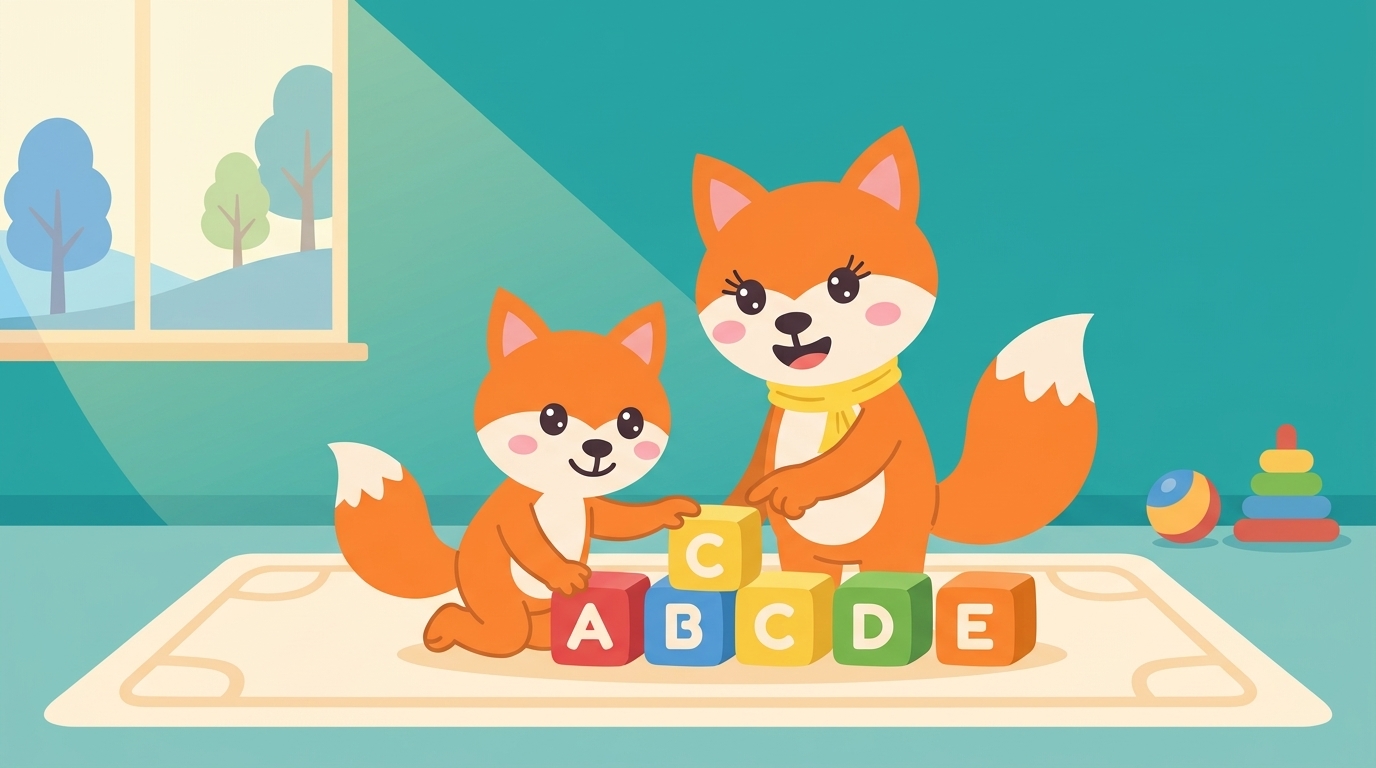
Introduce letters and numbers to toddlers through short, playful moments at home. Say one letter sound at a time, count everyday objects, spot numbers on signs, and let your child colour and trace. Keep sessions brief, follow your child's interest, and stop when they lose focus.
Why start with letters and numbers at home?
Letters and numbers are all around us, on cereal boxes, bus stops and bedroom doors. That makes them an easy place to start. You don't need a special room or expensive equipment. A few minutes while you wait for the kettle can be enough.
The NHS Start for Life programme encourages parents to talk, sing and play with their children every day. Letters and numbers can fit into that routine without turning it into a lesson.
How can I introduce letters without overwhelming my child?
Take it one letter at a time. Choose a letter that appears in your child's name or a favourite word, such as S for sun or B for bus. Say the sound clearly. Then look for things around the house that start with the same sound.
You might try:
- Saying the letter sound during bath time or while getting dressed.
- Drawing the letter in a sandy tray, in shaving foam or with a finger on a steamed window.
- Naming the letter when you spot it on a sign or packet.
If your child seems bored or distracted, move on. Coming back to the same letter another day is fine.
What simple number games work well for toddlers?
Counting works best when it is part of real life. Count stairs as you climb them, pegs as you hang up washing, or biscuits as you share them out. Keep numbers small, from one to five to start with. Let your child touch or move the objects as they count.
Fingers are a helpful tool too. Hold up one finger, then two, and say the number aloud together. Go slowly, and stop when your child loses interest.
Where do colouring and tracing fit in?
Colouring and tracing give little hands practice holding crayons and following lines. Choose a sheet with a big, simple picture and let your child pick the colours. Talking about colours as they go, such as 'red apple' or 'blue sky', builds colour words at the same time.
You can start with a free Letter A colouring page. For a regular habit, an alphabet book with one letter per page can help. Color & Learn with Kiko: A to Z Adventure! is an alphabet colouring book for ages 2 to 5. It has a letter, a first word, tracing, counting and a question for parents on every letter page. Use it as a gentle guide, not a test.
What if my child is not interested yet?
Interest often comes in waves. Some children love letters one week and want to play with cars the next. Follow their lead, keep sessions short and end on a happy note. Praise effort, such as 'You really concentrated on that line', rather than only the result.
If you have worries about your child's speech, hearing or development, speak to your health visitor or GP. The NHS website has general information about what to expect at different ages.
Frequently asked questions
What age should I start teaching letters and numbers?
There is no set age. Many families begin with everyday talk and play between two and three. They then add simple letter and number games as their child shows interest. Follow your child's lead.
Should I teach capital or lowercase letters first?
Many parents start with capital letters because they are easier to recognise on signs and packets. Lowercase letters can follow when your child is ready. Either approach is fine.
How long should each session last?
Short sessions of a few minutes often work best for toddlers. Stop before your child becomes frustrated, and return to the activity another day.
Can I teach letters and numbers in another language at home?
Yes. You can use the same ideas in any language you speak at home. Naming letters and counting in your family language is a lovely way to share it.