
Learning Letters A to Z: A Calm, Playful Guide for Toddlers and Preschoolers
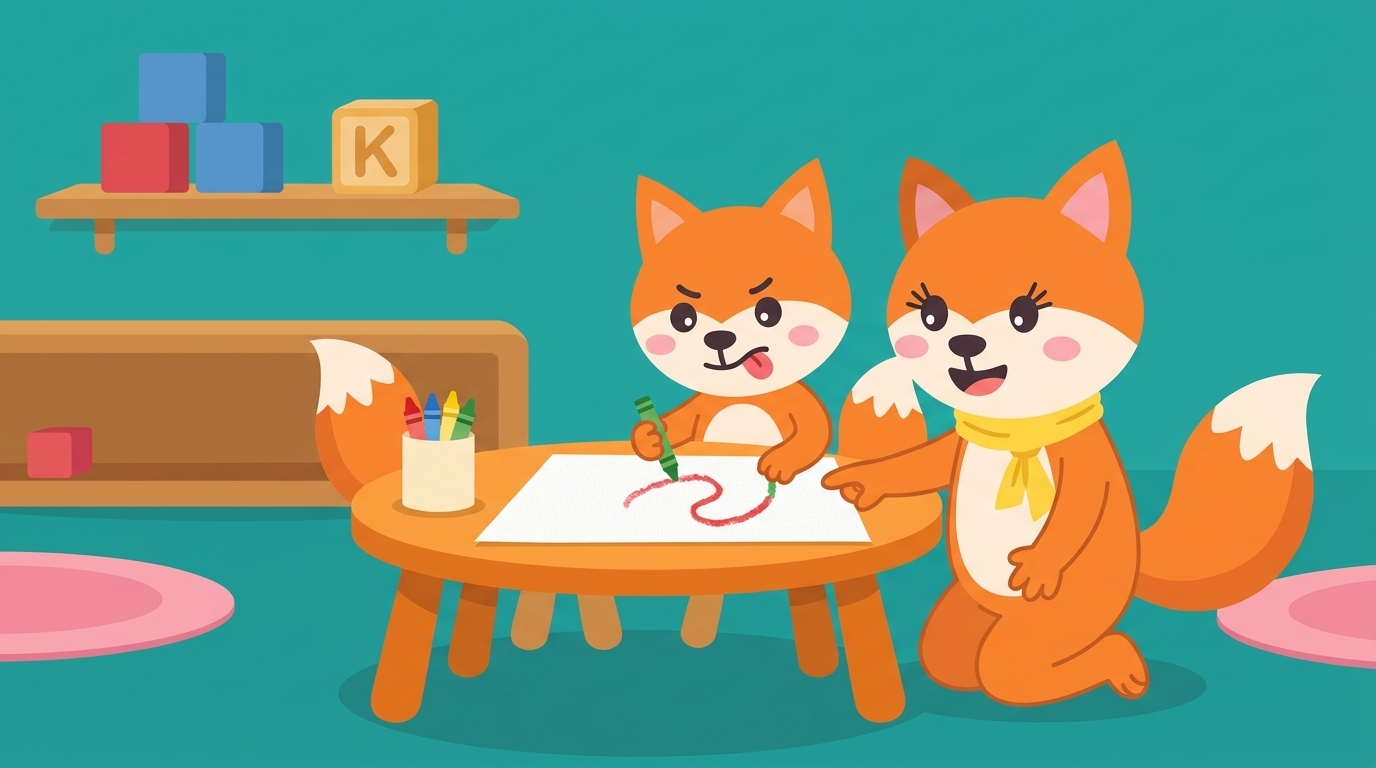
Learning letters from A to Z works best as play. Start with your child's name, sing the alphabet song, spot letters on everyday objects, and let them trace or colour simple shapes. Keep sessions short, celebrate small steps and follow your child's interest. There is no set timetable, and every child moves at their own pace.
Many parents wonder when to begin and how to keep it low-pressure. Letters can fit into ordinary days, from bath time to the shopping trip.
When should I start teaching letters?
There is no single right age. Many children aged two to five enjoy looking at letters, singing the alphabet and noticing shapes. The NHS encourages talking, singing and reading together every day (NHS Start for Life). Letters often fit naturally into that routine. If your child is not interested yet, keep moments warm and short.
How can I make learning letters fun at home?
Try these simple ideas:
- Start with your child's name. It matters to them, so it is a natural first letter set.
- Sing the alphabet song while you wash hands or get dressed. Repetition in a happy setting feels easy.
- Spot letters everywhere. Point out the first letter of a bus, a banana or a bedroom door.
- Use sound words. Say "ssss" for snake and "mmmm" for milk, and let your child copy you.
- Make letters with your body. Stretch your arms into a big T or curl up into a small O.
Which activities help with letter shapes?
Drawing and tracing build hand control and letter recognition. Big movements come first. Let your child draw in sand, trace in shaving foam, or use chalk on the pavement. Later, paper and crayons work well. A printable letter A colouring page gives a simple option for paper practice.
How long should each letter session last?
For most toddlers, two or three minutes is plenty. Preschoolers may enjoy ten minutes or so. Stop while your child is still having fun. Ending on a good note makes them more likely to come back to it.
Can a colouring book help with the alphabet?
Yes, a colouring book can give a clear structure for letter practice. The book Color & Learn with Kiko: A to Z Adventure! pairs each letter with a big, simple picture, a first word, some tracing, counting from 1 to 8, colour words and a question to ask your child. Use it together, one letter at a time, and talk about the pictures as you go. Let your child choose the pages that catch their interest, and skip any that feel like too much. For more ideas, visit the Little Fox Learning blog.
What if my child loses interest in letters?
That is normal. Take a break, come back another day, or switch to a different activity such as a letter hunt or a song. Pressure tends to make young children less keen, so keep it light.
When should I speak to a professional about my child's development?
Every child develops in their own way. If you have concerns about speech, hearing or development, speak to your health visitor or GP. They can offer personal advice that an article cannot.
Frequently asked questions
What age should my child start learning the alphabet?
There is no set age. Many children aged two to five enjoy singing the alphabet, spotting letters and playing with sounds. Follow your child's interest and keep it relaxed.
Should I teach letter names or letter sounds first?
Either can work. Many parents start with sounds that match words your child already knows, such as the sound for a familiar pet or toy, and add names as your child shows interest.
How can I help my child practise tracing letters?
Begin with big movements in sand, chalk or foam, then move to paper and crayons as your child grows more confident. Let them lead and praise their effort.
How much time should we spend on letters each day?
A few minutes is enough for most toddlers, and up to about ten minutes for many preschoolers. Short, happy sessions work better than long ones.
What if my child is not interested in letters yet?
That is common. Keep reading, singing and talking together, and try again later. If you have worries about your child's development, speak to your health visitor or GP.