
Learning Letters Activities for Toddlers: Simple Ideas for Home
The best letter activities for toddlers are short, playful and built into everyday life. Try spotting letters on signs, singing the alphabet song, saying the sound each letter makes and tracing shapes with a finger or crayon. Keep sessions brief, stop while your child is still enjoying them, and follow their interests.
Many parents start thinking about letters when their toddler points at signs or sings along to songs. You do not need flashcards or a strict timetable. Gentle, everyday play is often the most enjoyable way to begin.
How can I start letter activities with a toddler?
Begin with what your child already loves. If they like dinosaurs, find the letter D in a dinosaur book. Keep the focus on noticing and naming, not quizzing.
The NHS Start4Life guidance encourages families to read, sing and talk together every day. These habits create plenty of natural moments for letters.
Which everyday letter games work well for toddlers?
These ideas work almost anywhere:
- Letter spotting: On a walk, take turns to find a letter on a shop sign, a number plate or a cereal box.
- Sound games: Say the sound each letter makes, not its name, such as "mmm" for M. Then think of words that start with that sound.
- Alphabet songs: Sing the alphabet slowly and pause on a letter your child knows. Let them fill in the gap.
- Name letters: Start with the first letter of your child's name, then move on to family members' names.
Keep each game to a few minutes. Toddlers often lose interest quickly, and that is normal.
How do I make letter tracing fun without pressure?
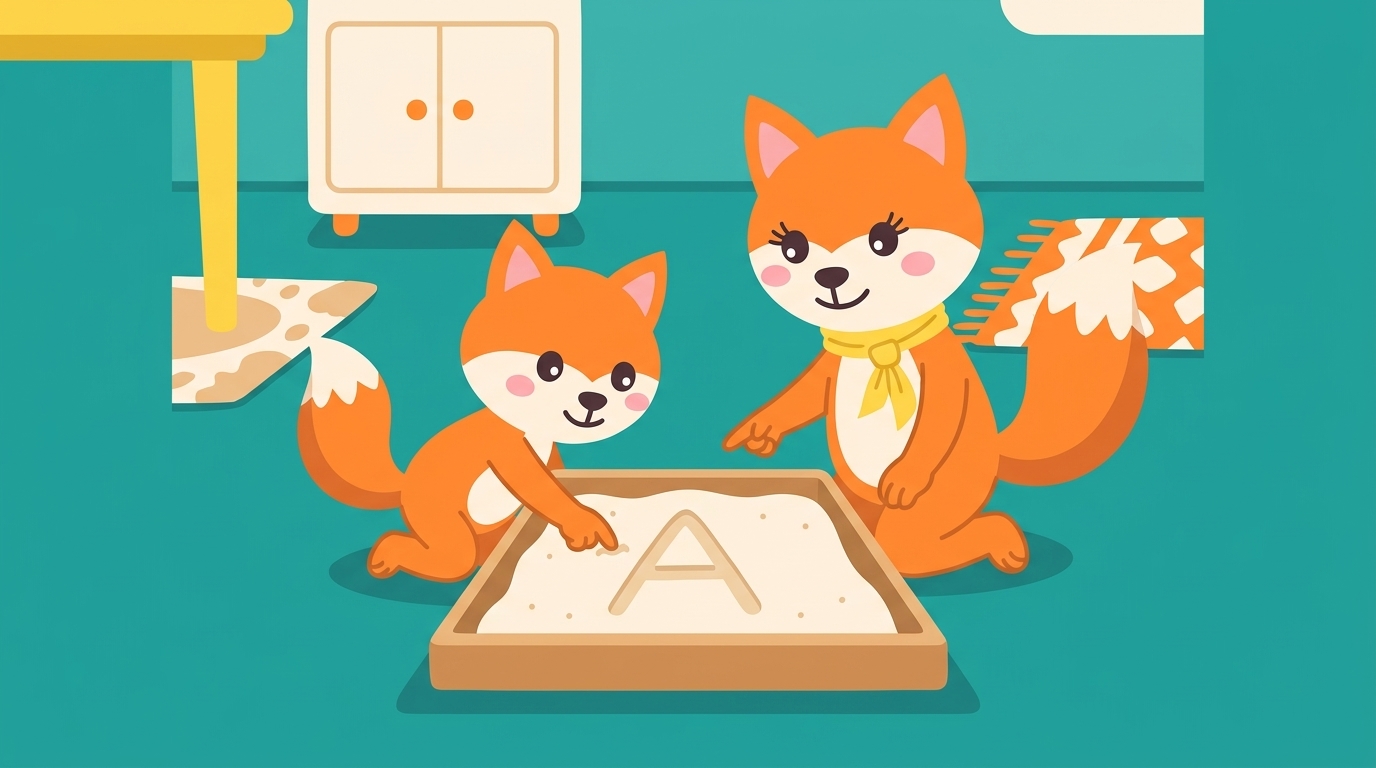
Tracing builds hand control as much as letter recognition. Young children are still developing fine-motor skills. Chunky crayons, large paper, and tracing in sand or shaving foam can all help.
Model a letter first, then invite your child to copy it with a finger. Praise the effort, not the neatness. If your child prefers scribbling, that still builds useful skills. Let them lead.
You can also try the Letter A colouring page and trace the letter together.
What if my toddler is not interested in letters yet?
Some children are not ready for letters, and that is fine. Try a different game, leave letters alone for a few weeks, or enjoy books and songs with no teaching goal at all.
Watch for signs that your child is tired or overwhelmed, and stop there. If you have concerns about your child's speech, language or development, speak to your health visitor or GP.
Where can I find a letter colouring book for toddlers?
If your child enjoys colouring, a letter-themed book can make quiet time feel like a simple letter journey. Color & Learn with Kiko: A to Z Adventure! has one large picture for each letter, with a first word, letter tracing, counting and colour words to talk about together. Choose the activities that suit your child and skip the rest.
For more ideas, visit the Little Fox blog.
Frequently asked questions
At what age can toddlers start learning letters?
Toddlers can start noticing letters and their sounds from about two, through play, songs and books. There is no set starting age, and every child moves at their own pace.
Should I teach letter names or letter sounds first?
Many parents start with letter sounds, such as "mmm" for M, because they link easily to words your child hears. Letter names can come later, and you can mix both in everyday conversation.
How long should a toddler letter activity last?
Keep sessions short, often just a few minutes. Stop while your child is still happy, and return to the activity another day.
Is tracing letters important for toddlers?
Tracing gives toddlers practice with hand control and pencil grip, which help with writing later. Scribbling and free drawing also build these skills, so tracing is not the only option.
What if my toddler gets frustrated with letter activities?
Step back and choose something easier or more playful. Praise effort and keep the mood light. If frustration happens often, talk to your health visitor or GP.